How the UN Views Human Rights in Mongolia
Khulan M.
May 18, 2026
May 18, 2026
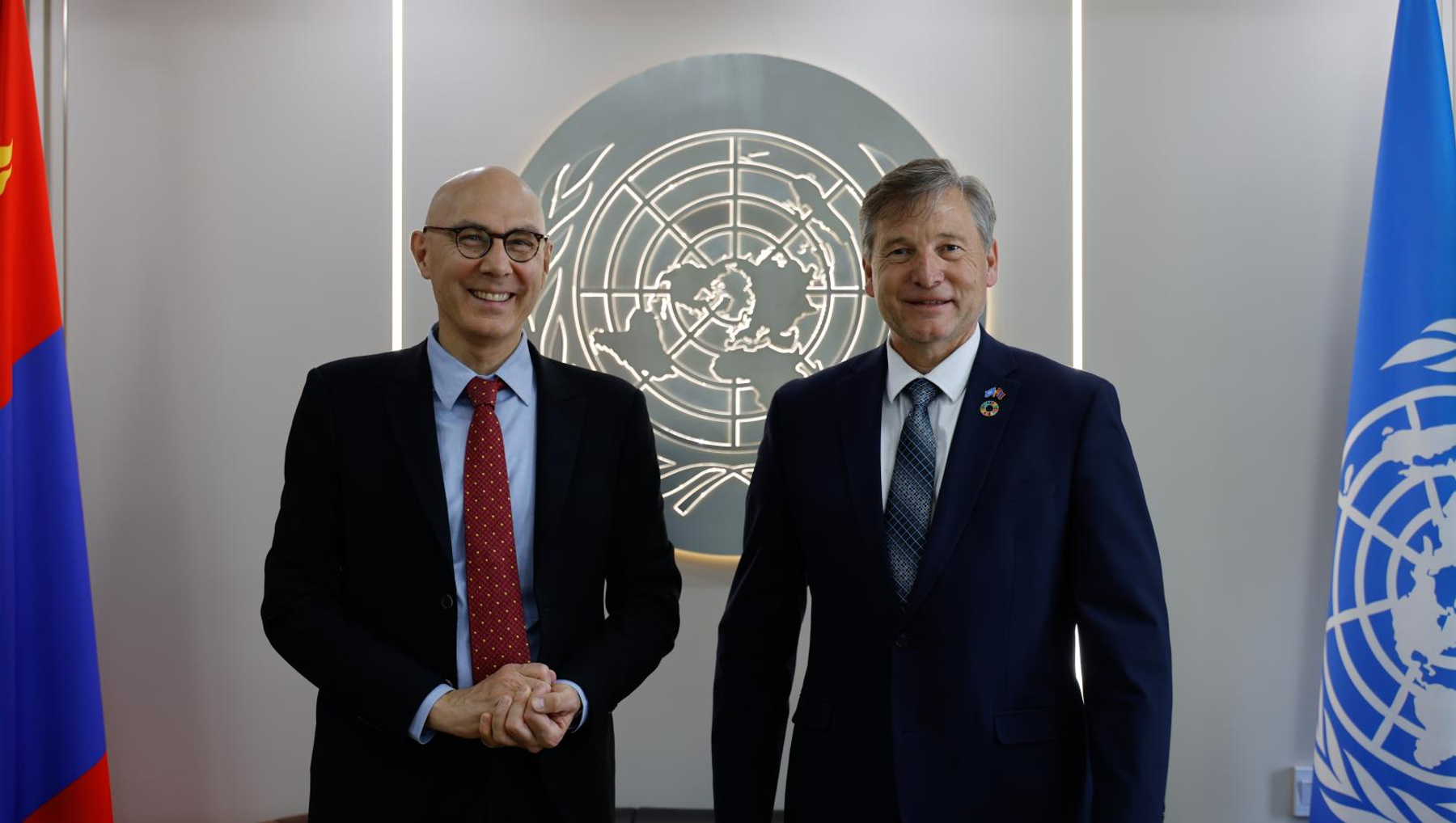
UN High Commissioner for Human Rights Volker Türk concluded his official visit to Mongolia, marking the first visit by a UN human rights chief to the country in 26 years. Describing Mongolia as “a remarkable example in the region” for preserving its human rights system, he praised the country’s democratic institutions, active civil society and legal framework.
- Still, his assessment came with a clear warning: Mongolia’s challenge is no longer the absence of laws, but implementation.
📌 Strong Democratic Scores, but Growing Concerns
Mongolia remains classified as “Free” with a score of 84/100 in Freedom House’s 2025 assessment. However, international democracy indexes have pointed to declines in press freedom, civic space and freedom of expression over the past 5 years. Volker Türk stressed that democratic space “cannot be taken for granted,” calling for stronger institutional checks, judicial independence and public trust in the rule of law.
- ⚖️ Corruption Remains a Key Concern: Mongolia’s corruption score stagnates at 33 for third consecutive year. Referring to concerns raised by civil society organizations, he described corruption as “the biggest bottleneck” to the country’s development and emphasized the importance of strengthening public trust in state institutions.
- 🌍 Climate, Mining and Human Rights: Climate-related risks also featured prominently during the visit. The 2023-2024 dzud killed 8.1 million livestock and pushed agricultural GDP down by 27%, highlighting how climate change is increasingly becoming a human rights issue in Mongolia. He also called for stronger human rights oversight around large-scale mining and infrastructure projects, particularly those affecting herder communities.
🤝 Toward a Regional Human Rights Hub
During the visit, Mongolia’s Ministry of Foreign Affairs and the OHCHR signed a MoU to develop a roadmap for establishing a regional human rights training and research center in Ulaanbaatar, an initiative linked to Mongolia’s earlier commitments made during the 75th anniversary of the Universal Declaration of Human Rights.
Overall… Mongolia continues to stand out regionally for its human rights framework and democratic institutions. Yet the gap between legislation and enforcement remains one of the country’s biggest challenges, particularly in cases involving power, political influence and institutional accountability.
Comment