As 2026 heads toward record heat, cold rain and wet snow hit Mongolia

Khulan M.
June 29, 2026
June 29, 2026
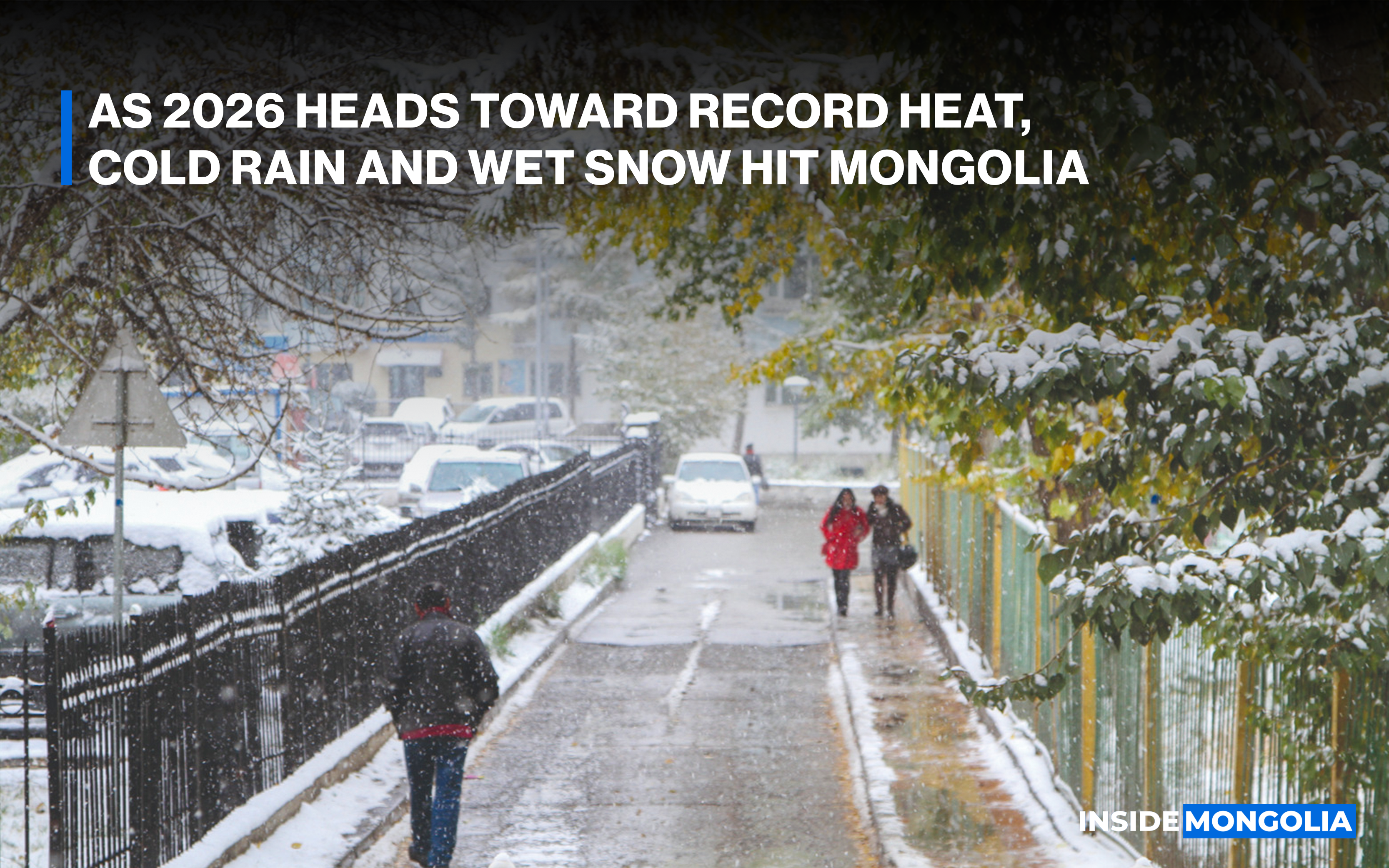
In an era of accelerating global warming, not all regions are heating at the same rate or intensity. Even multiple European countries issued red heat alerts , the highest level , in June 2026. Summer in Mongolia isn't quite summering. Ah, climate change is going different around the world.
❄️ Snowy Summer…
The world has already warmed 1.5°C above pre-industrial levels, with the rate of warming accelerating. Scientists, including James Hansen, have warned that 2026 is likely to be one of the hottest years on record globally. In mid-June, northern and central parts of Mongolia, including areas near the capital, experienced rare summer snowfall, prompting extreme cold weather alerts.
- 🙄 After all, it’s not an abnormal thing. Snow in summer is rare, but it happens occasionally in Mongolia, especially in the north and at higher elevations.
🤔 Why Does Mongolia Remain Relatively Cool?
Mongolia’s summer coolness is largely explained by its geography. The country sits at an average elevation of around 1,580 meters. Temperature drops roughly 6.5°C for every 1,000 meters of altitude gain. This alone makes Mongolia significantly cooler than lowland regions at similar latitudes.
- ☔️ In addition, Mongolia has a strong continental climate. Located far from oceans, it experiences large day-night temperature swings. Even when daytime temperatures reach 24–26°C, nights often drop to 8–12°C. Low humidity further reduces the feeling of heat.
While global temperatures are rising, Mongolia’s summer warming has been more moderate compared to many mid-latitude regions. Europe, by contrast, has seen more frequent and intense heat waves due to stronger influence from heat domes and lower average elevation.
Looking ahead, this climatic advantage could become increasingly valuable. As heatwaves grow more frequent and severe across much of the Northern Hemisphere, Mongolia’s cooler summers may attract more tourists seeking relief from extreme heat. In the near future, the country could position itself as a destination for those looking to escape rising global temperatures.
Comment