World Bank Flags Rising Economic and Inflation Risks in Mongolia
Khulan M.
April 13, 2026
April 13, 2026
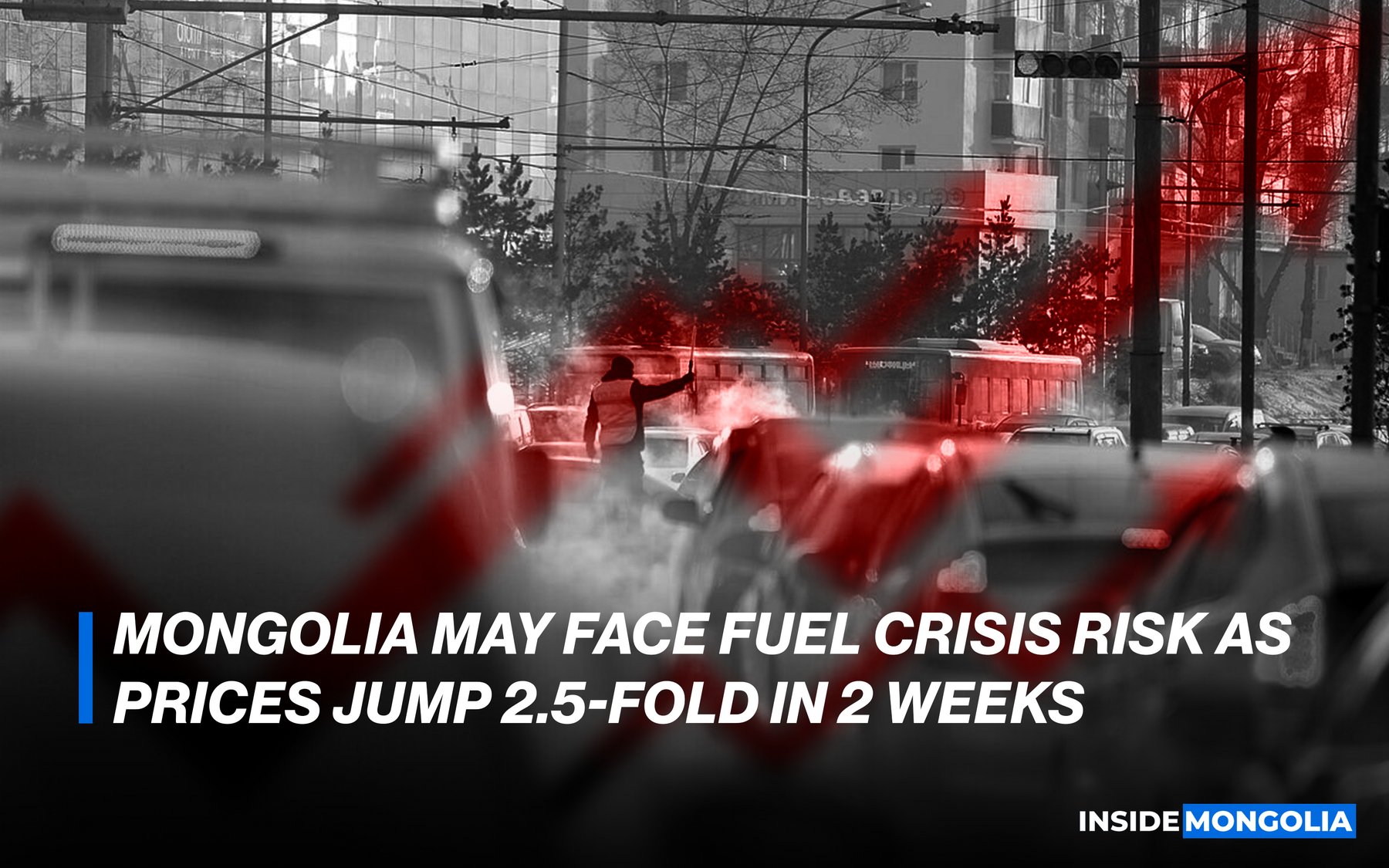
Last week, the World Bank released its latest Mongolia Economic Update report. This time, the outlook incorporates wartime conditions into its projections. What risks lie ahead for Mongolia?
🙅♂️ Growth-Driven Inflationary Pressures
Last year, Mongolia was once again hit by fuel shortages. Although supply is currently stable, Russia recently announced an expansion of its export restrictions. While fuel supply to Mongolia is expected to continue normally, retail prices for non AI-92 fuels are set to increase, diesel by ₮2,200, Euro-5 diesel by ₮1,300, and AI-95 by ₮500.
- 👊 Early signs of impact: As of March 30, fuel price changes stood at just 4%. However, by April 6, this figure had risen to 10%. If fuel prices continue to rise, it is almost certain that inflation could again return to double digits. This would likely lead to an increase in the policy rate, higher lending rates, and a deepening of the high-interest “vicious cycle.”
🤔 Will We be able to Withstand It…?
Taking into account the above conditions, as well as declining coal prices and limited growth in export volumes, the World Bank projects Mongolia’s economic growth at 5% in 2026 and around 5.5% on average for 2027–2028.
- 🥴 Warning: Although the fiscal balance is expected to remain in surplus and debt levels stable over the next 2 years, the report highlights significant financing risks ahead, including widening current account deficits due to falling coal prices and rising imports, as well as increased external debt repayment pressures.
- ⚠️ Policy: The weakening of external demand caused by geopolitical tensions may further reduce export revenues. As a result, Mongolia is urged to strengthen economic resilience through strict fiscal discipline and cautious monetary policy implementation.
In conclusion, the situation remains challenging. In practical terms, recent social media posts show an increase in businesses announcing closures. The reasons are clear: rising prices, tax pressure, and declining purchasing power, all of which are hurting profitability.
Comment